HVAC Contractor in Kansas City MO: Comfort-Focused Solutions
Kansas City summers can be generous, then suddenly ruthless. One week you’re dealing with a loud blower and sticky air, the next you’re trying to cool a house that feels like it’s been left out in the sun. When your HVAC system falls behind, you don’t just notice it in temperature, you notice it in daily life. The kids want to sleep, the dinner smells stay in the kitchen, and the thermostat starts acting like a suggestion rather than a promise.
That’s why I focus on comfort-first HVAC work in Kansas City MO. Not comfort as a marketing word, but comfort as a measurable outcome: stable temperatures, correct humidity levels, airflow that makes sense for your rooms, and repairs that actually address what’s driving the problem. Whether you’re calling for HVAC repair in Kansas City MO, needing AC repair in Kansas City MO, planning AC installation in Kansas City, or trying to get ahead with AC maintenance in Kansas City, the goal is the same. Make the system match your home, not the other way around.
What “comfort” really means in Kansas City
Temperature is only one part of comfort. In this part of Missouri, humidity can be just as important. You can drop the thermostat to 72 degrees and still feel clammy if the system is short-cycling, the coil isn’t draining correctly, or airflow is weak.
In the field, I see the pattern often. A homeowner says, “It cools, but it never feels right.” That’s usually a sign of one of these issues:
- the indoor coil is not removing moisture efficiently
- the system is running for long periods without reaching steady conditions
- air is moving, but not at the right volume or in the right way for the home’s layout
There’s also the “it’s fine in the hallway” problem. Some homes have hot rooms over garages, rooms with big west-facing windows, or additions that weren’t included in the original load calculations. Then the thermostat reads what it reads, while the real heat gains keep stacking up where you live most.
A comfort-focused approach means I’m not satisfied until the system cools and dehumidifies properly in the spaces that matter, not just until the thermostat says “cool.”
The difference between replacing parts and fixing the cause
A lot of HVAC problems come down to cause and effect, not just component names. I can’t count how many times I’ve heard some version of, “They replaced the capacitor, and it got better for a while.” That can be legitimate if the capacitor was failing, but it can also be a temporary bandage if the root issue was restricted airflow, refrigerant imbalance from a prior leak, a failing fan motor, or a drainage problem that turns into coil performance issues.

For example, low airflow can make cooling performance look like a “refrigerant problem.” Airflow affects how the indoor coil absorbs heat. If the blower is moving less air than it should, the coil doesn’t function the way it’s designed to, and the system may freeze up or struggle to maintain temperature. Homeowners then assume the unit needs a bigger repair, sometimes replacing parts that were never the main driver.
This is where judgment matters. I’ll check electrical basics, verify airflow, inspect the return and supply paths, and look at how the system is behaving under actual load. Kansas City weather can swing, so I try to observe performance over enough time to see what’s stable and what’s not.
That’s also why quality matters when people search for an HVAC contractor in Kansas City MO. It’s not only about responding quickly, it’s about diagnosing honestly, explaining what’s likely, and recommending what makes sense for your budget and comfort needs.
AC repair in Kansas City MO: common symptoms and what they often mean
When AC repair in Kansas City MO is needed, it’s usually because something is off in one of a few categories: air, electrical, refrigeration, or drainage. The symptoms help narrow the path.
A short list of examples I see repeatedly:
1) The system runs but the house doesn’t cool much
This often points to airflow restrictions, dirty indoor coil conditions, issues with the outdoor unit fan, refrigerant performance problems, or ductwork imbalance. In older homes, leaky or undersized ducts can turn a “repair” into a “repair plus airflow correction” situation.2) The unit cycles on and off rapidly
Short cycling can come from thermostat issues, refrigerant imbalance, frozen coil conditions, clogged filters, or a sensor reading wrong. Sometimes it’s a simple thermostat placement issue, like being installed where it’s affected by direct sun or kitchen heat.3) The air is cool, but humidity stays high
This is one reason comfort calls are so common. If airflow is too high or too low, or the coil can’t do its job, moisture removal suffers. You might feel cold drafts and still feel damp overall. AC repair in Kansas City MO4) The unit is loud or vibrating
Loose panels, failing fan components, worn bearings, and debris in outdoor units are typical culprits. I’ve also seen “new noises” that were actually telling you airflow is off, like the blower motor working against extra resistance.No two calls are identical, but the categories are consistent. When you hire an HVAC professional, you want more than guesswork. You want someone who can explain what they checked, what they found, and what it changes.
The reality of troubleshooting: what I check first
A responsible repair starts with the boring stuff because the boring stuff is where many problems are hiding.
A focused first-pass checklist (what technicians should look at)
- Filter condition and airflow paths, including return air condition
- Thermostat operation, including location and settings accuracy
- Outdoor unit fan operation and visible debris buildup
- Indoor blower performance, including whether airflow seems restricted
I’m not saying a technician should always do everything the same way, but these are frequent starting points. They’re also the fastest way to catch issues that worsen over time if ignored.
When those basics don’t explain the symptoms, the work gets more technical. That’s where electrical checks, temperature measurements, and performance observations come in. The goal is to determine whether the system is failing because of a component, because of system conditions, or because the home needs a different setup.
HVAC repair in Kansas City MO: when “fix it” might not be the best call
I’ll be honest. Not every repair is a good investment, even if the system can keep running. Most homeowners don’t want to hear that. They want the shortest path back to comfort.
But sometimes the numbers and the patterns suggest a replacement or at least a different strategy. For instance, if you’re dealing with repeated component failures, expanding refrigerant issues, or a system that can’t keep up with humidity control even after reasonable repairs, the house is asking for more than a patch.
In those cases, repair might still be part of the decision. A repair could stabilize the unit long enough to get through a hot season while you plan a proper AC installation in Kansas City. Or a repair might address a true failure now, while also pointing out what will likely need attention next.
What I like about a comfort-focused plan is that it keeps the conversation practical. You’ll never get a pitch that ignores comfort realities. If the system is struggling because it’s undersized, the fix is not just replacing a part. The fix is matching capacity, duct performance, and airflow design to your home.
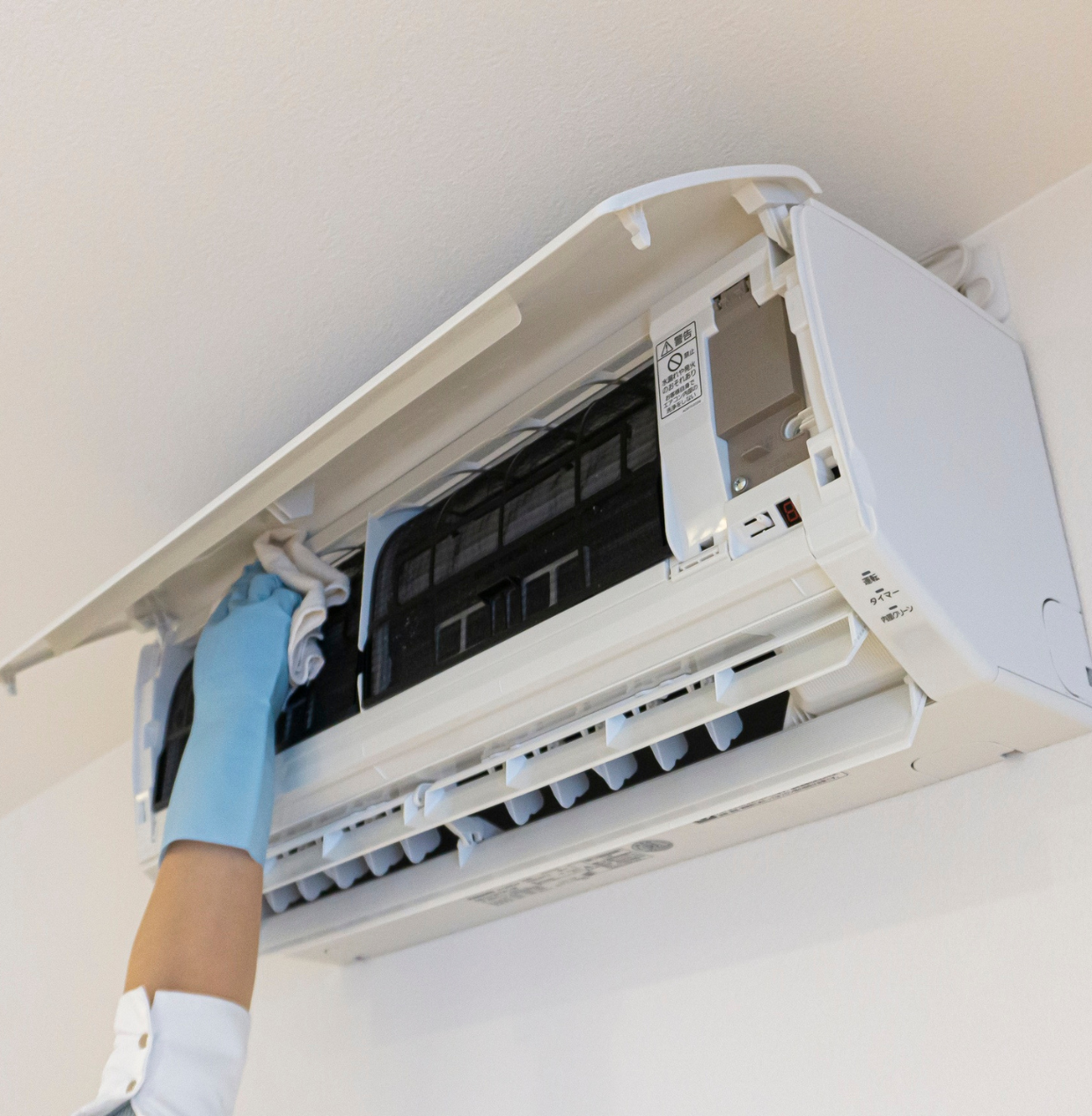
AC maintenance in Kansas City: preventing the problems you can feel coming
AC maintenance is one of those services people either schedule every year or only call when something goes wrong. The yearly approach usually costs less than emergency repairs, and it has a hidden benefit: you reduce the odds that the system will fail during peak heat.
That matters in Kansas City because small issues compound. A clogged coil can slowly reduce performance. A drainage problem can turn into a bigger indoor comfort problem, like moisture intrusion or mold risk, if it’s bad enough. Electrical connections that are marginal can fail when the weather spikes and the system runs harder.
A maintenance mindset that actually helps
I treat maintenance like “performance assurance.” That means we focus on airflow, coil condition, refrigerant-related symptoms (as far as they can be assessed without turning the visit into a replacement of everything), electrical connections, and safety checks.
During an AC maintenance visit, I pay attention to details that affect comfort and reliability:
- whether the indoor blower is moving air the way it should
- whether the indoor coil looks healthy and drains properly
- whether the outdoor unit is clean enough for correct heat exchange
- whether the system’s electrical behavior is stable
The trade-off is simple. Maintenance doesn’t make a system immortal, but it reduces the chance you’ll be dealing with a preventable failure at the worst possible time.
AC installation in Kansas City: size, efficiency, and real-world comfort
When it comes to AC installation in Kansas City, the biggest mistake I see is treating replacement like a swap. Like, “The old unit was X tons, so the new one should be X tons.” Sometimes that works. Often, it doesn’t.
Homes change. Attics get more insulation or less. Windows get replaced. Shade patterns change. Additions get built. Even duct leakage and zoning adjustments can shift how the home experiences heat and humidity.
A proper installation accounts for the house’s needs and the system’s ability to handle summer conditions. That includes:
- load considerations, including solar heat gain and airflow needs
- ductwork realities, because duct performance can make or break comfort
- indoor humidity management, because comfort is more than temperature
- thermostat and airflow strategy, because the best unit still underperforms with poor control
I also talk with homeowners about how they actually use their home. Someone who works from home, opens doors often, or keeps bedroom doors closed all day will experience comfort differently than someone whose schedule keeps the house more evenly mixed.
If you’ve ever felt “cold spots” near vents but warm pockets elsewhere, that’s usually a duct and airflow story. When I hear complaints like that, I consider duct sealing, balancing, vent placement changes, and sometimes even filtration choices. Comfort is a system, not a single component.
When replacing makes sense
Replacement is usually worth serious consideration if you’re seeing repeated repairs, the unit is struggling during peak humidity, or the system is nearing the age where performance and reliability start drifting more than you’d like. I’ll never push replacement for the sake of it, but I will recommend the option that protects comfort.
Ducts, filters, and humidity: the “invisible” comfort drivers
People call for AC repair in Kansas City MO and expect the problem to be inside the unit. Sometimes it is. But Kansas City homes frequently reveal issues outside the equipment, especially related to airflow and humidity.
Ductwork can leak, kink, or lose its intended shape over time. Filters can get neglected, and then airflow drops. When airflow drops, coils struggle to absorb heat, and condensation behavior changes. The system works harder, runs longer, and the indoor air can still feel uncomfortable.
Here’s a lived-in detail that helps explain the stakes. I’ve visited homes where the system ran constantly during humid days, and the air felt cool but not dry. When we adjusted airflow and addressed filter and return conditions, the cooling felt “cleaner,” meaning it removed moisture more effectively. The temperature didn’t necessarily drop dramatically, but the overall feel improved because humidity control did its job.
That’s why I don’t just chase numbers on a thermostat. I’m trying to match comfort conditions the way your body experiences them.
Electrical and airflow issues: the two quiet troublemakers
Two categories create a lot of callbacks: electrical performance and airflow performance.
Electrical problems can be intermittent, especially in systems that have lived with loose connections, aging contactors, or components that fail under load. The unit might start fine in mild weather and then struggle in peak heat. Homeowners describe it as “it works until it really gets hot.”
Airflow problems can be similar, because the system might start cooling, then lose effectiveness. Sometimes it looks like refrigerant issues, but airflow restrictions are the actual driver. A dirty coil or inadequate supply and return balance can create symptoms that point the diagnosis in the wrong direction if you don’t verify what’s happening.
This is where a strong HVAC contractor in Kansas City MO earns trust. You want someone who doesn’t stop at the first likely answer. They verify. They measure. They explain.
Communication that reduces stress during a breakdown
Comfort problems are stressful. Most homeowners don’t just worry about the cost of repair, they worry about whether the system will hold long enough to get through the weekend, whether their pets will be okay, and whether they’ll have to sleep in an uncomfortable house.
Good service communication helps you plan instead of panic. When I’m working an HVAC repair in Kansas City MO, I try to set expectations early. If the system needs an immediate fix, I’ll explain the likely path and how we’ll verify it. If the repair involves a part that may take time, I’ll tell you what that means for operation and safety in the interim.
That approach is also useful for AC maintenance in Kansas City and AC installation planning. People can make better decisions when they understand what’s being measured and why.
A quick guide to choosing the right service partner
If you’re searching for AC repair in Kansas City MO or HVAC contractor in Kansas City MO, you’ll see plenty of options. The best choice isn’t always the cheapest ad, and it’s rarely the first company that can come out fastest. Speed matters, but accuracy matters too.
A company that focuses on comfort will usually do a few things consistently. They’ll ask questions about symptoms. They’ll look at airflow and drainage, not just the outdoor unit. They’ll explain what they found in plain language and what it implies for performance. They won’t act like your house is a generic box that every HVAC system can treat the same way.
What to ask during a service call (short and practical)
- What tests did you run to confirm the diagnosis?
- What else could be contributing to the symptom I’m seeing?
- What part failures are common in this situation, and why?
- If we repair now, what might still need attention later?
Those questions keep the conversation grounded. You should leave with a clear understanding of what’s being addressed and why.
Keeping your system comfortable between service calls
Even with great work, homeowner actions influence comfort. You don’t need to become a technician. You just need a few habits that protect performance.

Change filters on schedule, especially during high dust seasons. If you have pets or you run the system more heavily, adjust the interval. Keep exterior units clear of debris. Don’t block vents with furniture or curtains. And if you notice patterns like “it only cools at night” or “bedrooms are always warm,” pay attention. Patterns are clues.
One of the most helpful things you can do is tell your service technician what you’ve observed. “It’s 78 in the living room and 74 near the thermostat” is more useful than “it’s not cold enough.” Specific observations shorten the time to an accurate diagnosis.
Bringing it all together: comfort-focused HVAC is a process
When you hire an HVAC contractor in Kansas City MO, you’re not only buying a repair visit or a replacement installation. You’re partnering with someone who’s willing to treat comfort as the outcome and diagnose the real drivers behind it.
That approach matters across the whole HVAC journey:
- AC repair in Kansas City MO should correct the cause, not just stop the symptom
- HVAC repair in Kansas City MO should verify system performance, especially airflow and humidity behavior
- AC maintenance in Kansas City should prevent small degradations from becoming emergency failures
- AC installation in Kansas City should match system design to the home’s needs, ducts included
Kansas City homes vary. Your schedule, your room layout, your duct condition, your humidity tolerance, and even your window exposure shape what “comfort” means. A comfort-focused solution is the one that respects those details and builds around them.
If your system is struggling right now, the best next step is a service call where diagnosis comes first. And if your system is still running but you can feel the discomfort creeping in, maintenance is the most practical place to start. Either way, the goal stays the same: steady, reliable cooling you can trust, even when the summer gets loud.
All 4 One Heating & Cooling
5828 Woodland Ave, Kansas City, MO 64110, United States
816-699-8366
[email protected]
Website: https://all4onekc.com/